
Writing at Its Best: The Magic of Dialogue
by Andrea La Bella
In this, the latest post in our series of reflections on the nature of “good writing,” Andrea La Bella reflects on the magic of dialogue in film. Andrea is the Assistant to the Director at the Center for Statistics and Machine Learning.
I grew up in a movie loving household. My fath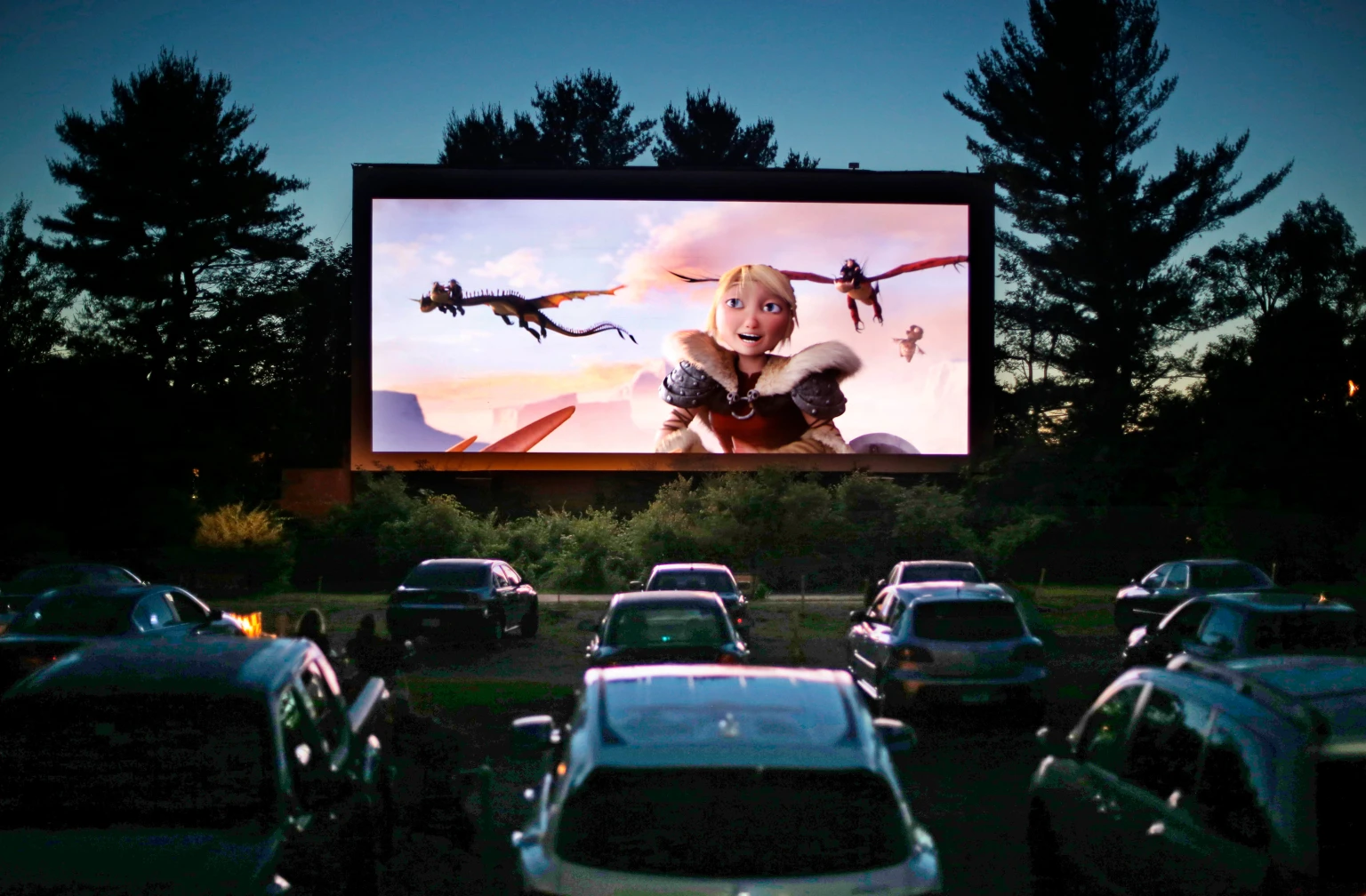 er and mother would pile into the car with the five of us kids and head for the drive-in theater: one low admission price per car. My brothers loved the action scenes. But I loved the dialogue. When Fanny Brice (aka Barbara Streisand) looked into the camera with her blazing blue eyes and her fabulous up-do and said “Hello Gorgeous.” I felt it in my bones.
My grandfather loved John Wayne movies. My mother would quote lines from his movies, badly imitating his speech pattern, at any given opportunity: “Mom will you pick me up from school today?” “God willing, and the river don’t rise” or “We got get them cows to Abilene, pilgrim.” Certainly not iconic lines, but in my house, they connected and flowed through our family as emotional shorthand. The voice of our shared experience. I am sure it is the reason that to this day I am obsessed with film dialogue.
Francis Coppola’s classic crime family drama The Godfather provided generations of law-abiding citizens with countless lines of quotable dialogue. Who hasn’t said to their spouse while approaching a new vendor at the local farmer’s market: “I’ll make him an offer he can’t refuse?” When my elderly aunt asks me to retrieve something forgotten from her car, invariably she says, “leave the gun, take the cannoli.”
In one simple phrase an ordinary situation is elevated into the realm of cinema magic. Each bit of dialogue carries with it the DNA of the film it is from. In the case of The Godfather, it’s a promise that the job will get done no matter the cost, and family first, always. After all, it is Clemenza’s wife who reminds him, as he is leaving for work: “Don’t forget the cannoli.” When he barks at Montgomery Clift in Red River to “get it done, reb.”John Wayne is saying that with toughness and hard work, we can achieve anything.
Of course, it’s not just The Godfather or John Wayne. Iconic dialogue appears everywhere in daily life. I have heard many IT specialists in my office cut the jargon and explain a situation simply by saying: “You’re gonna need a bigger boat.” Or “Houston, we have a problem,” and I get it. No further explanation needed. “We are not in Kansas anymore.”
Great dialogue seems simple, practically obvious, until I try to write it; then it feels like trying to do a magic trick, in the dark, with my hands tied behind my back. Or, like juggling a kitten, a chain saw, and a hotdog. It is simple, but not easy. It’s delicate, cutting and, oh so ordinary, except it’s not.
It’s the sound of the human voice. It’s crystallized thought. It’s visceral. It’s a promise. It punctuates a scene, defines a place, character, entire generations, it’s the movie’s signature. It brings me home, and “There’s no place like home.” Film dialogue is writing at its best.